

No products in the cart.
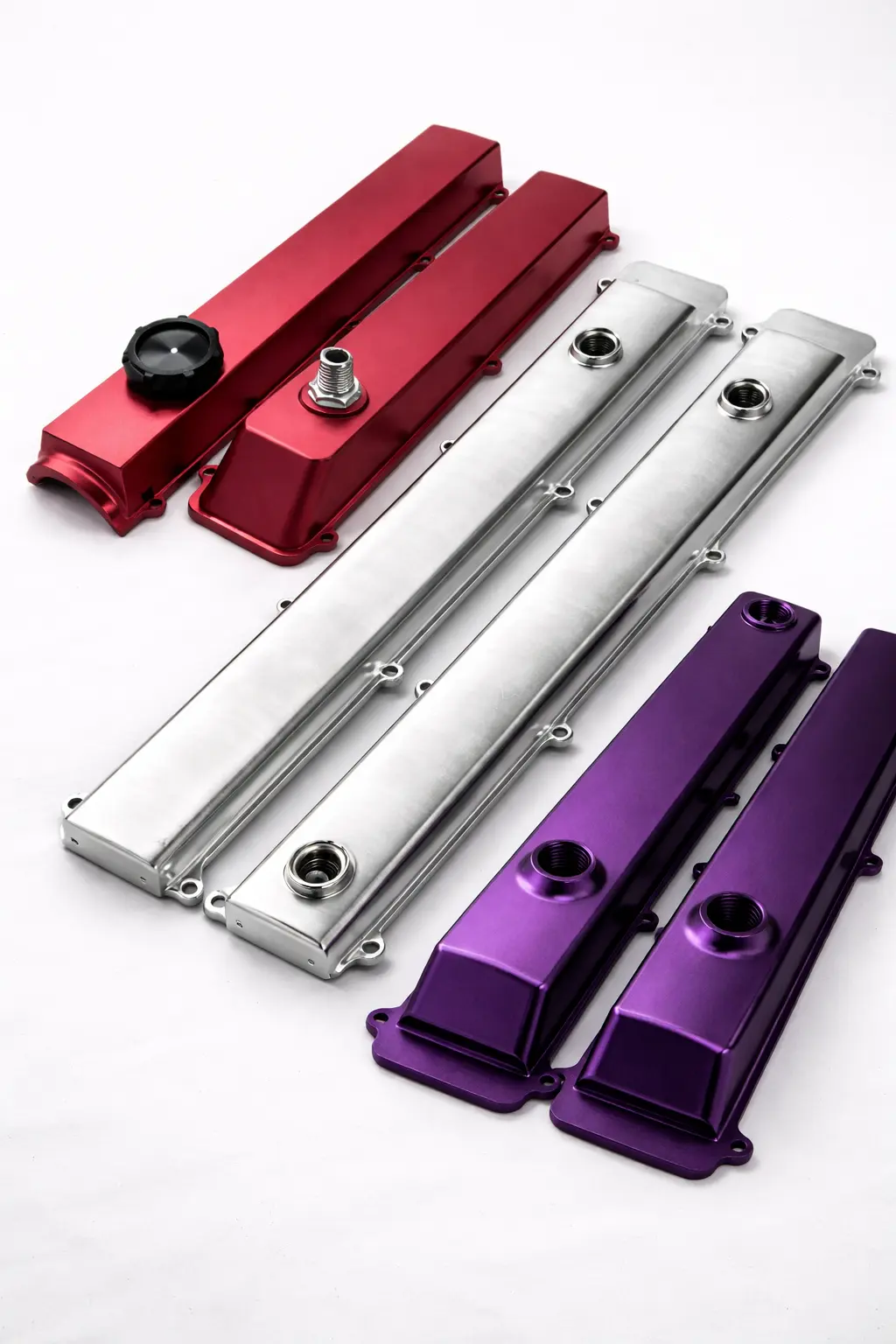
Valve Covers Explained: Why They Matter More Than Most Engine Builders Realise
When modifying an engine for performance, valve covers are often treated as a cosmetic upgrade.
In reality, they play a critical role in oil control, crankcase ventilation, and long-term engine
reliability — especially in engines operating at high RPM or under boost.
As power levels rise, factory valve covers frequently become a hidden weak point.
At VR Motorsports, valve cover design is approached as a functional engine component, not just an
aesthetic detail.
What Does a Valve Cover Actually Do?
A valve cover is responsible for:
• Sealing the valvetrain
• Containing engine oil under movement and splash
• Managing crankcase pressure
• Providing ventilation paths for blow-by gases
In stock engines, factory valve covers are adequate. Once engines are modified, their limitations become
more noticeable.
Common Problems with Factory Valve Covers
Under aggressive driving conditions, factory valve covers may:
• Warp due to repeated heat cycles
• Leak oil at gasket surfaces
• Offer limited or poorly positioned ventilation
• Struggle with increased crankcase pressure
• Restrict proper catch-can or breather setups
These issues are amplified in turbocharged, high-compression, or high-RPM engines.
Why Valve Cover Design Matters in Performance Builds
As engines produce more power, crankcase pressure increases. If this pressure is not properly managed, it
can lead to:
• Oil leaks
• Reduced gasket life
• Oil contamination
• Power loss due to pressure resistance
A well-designed valve cover improves:
• Ventilation efficiency
• Oil separation control
• Sealing stability
• Engine reliability under sustained load
This makes valve cover upgrades a preventative reliability measure, not a cosmetic one.
Ventilation, Breathers & Catch-Can Integration
Modern performance builds often require:
• External breather ports
• Catch-can systems
• Custom hose routing
Valve covers designed with proper ventilation placement allow:
• Better pressure relief
• Reduced oil mist entering intake systems
• Cleaner engine operation
Poor ventilation design is one of the most common causes of oil-related issues in modified engines.
Street vs Track Requirements
Valve cover requirements vary depending on usage:
Street-focused builds
• Prioritise sealing and longevity
• Require controlled ventilation
• Focus on low maintenance
Track and motorsport builds
• Demand high resistance to heat and vibration
• Require multiple ventilation options
• Must maintain oil control under sustained G-forces
Understanding how the engine will be used is critical when selecting or designing a valve cover.
When Should You Consider Upgrading Valve Covers?
Upgrading valve covers becomes increasingly important when:
• Engine operates at high RPM regularly
• Turbocharging or supercharging is added
• Oil leaks become recurring
• Crankcase pressure increases
• Catch-can or breather systems are installed
Rather than waiting for failures, valve cover upgrades are best done proactively.
A Reliability-First Perspective
Valve covers do not increase horsepower on their own — but they protect the conditions that allow power to
be made consistently.
In performance engines, reliability is what allows:
• Consistent tuning
• Stable oil control
• Long service intervals
• Confidence under load
This is why experienced builders treat valve covers as part of the engine’s control system, not an
afterthought.
Final Thoughts
As engine performance increases, supporting components must evolve alongside it. Valve covers play a far
greater role in reliability, oil management, and pressure control than many realise.
For builders focused on longevity, clean operation, and repeatable performance, valve cover design is a
detail worth taking seriously.
Fitment details and application-specific solutions should always be confirmed once final validation is
complete.