

No products in the cart.
Complete Guide to Engine Block Guards: 15 Essential Facts Every Builder Should Know | VR Motorsports
Engine Block Guards Explained
Engine Block Guards are reinforcement components designed to strengthen the upper section of an engine block by providing additional support around the cylinder walls. In high-performance and forced induction engines, increased cylinder pressure places significant stress on the engine block. Installing an Engine Block Guard helps improve structural stability, making it a popular upgrade for enthusiasts building high-horsepower street cars, drag racing vehicles, and motorsport engines.
At VR Motorsports, every Engine Block Guard is engineered to deliver accurate fitment, exceptional strength, and dependable long-term performance. Manufactured using premium materials and precision machining, our block guards are designed to help reinforce the engine block while supporting reliable operation under demanding conditions.
This complete guide explains everything you need to know about Engine Block Guards, including how they work, why they are used, available designs, material selection, installation considerations, maintenance, and how to choose the right block guard for your engine build. Whether you’re preparing a turbocharged street engine or a dedicated race engine, understanding Engine Block Guards will help you build with greater confidence and reliability.
What Are Engine Block Guards?
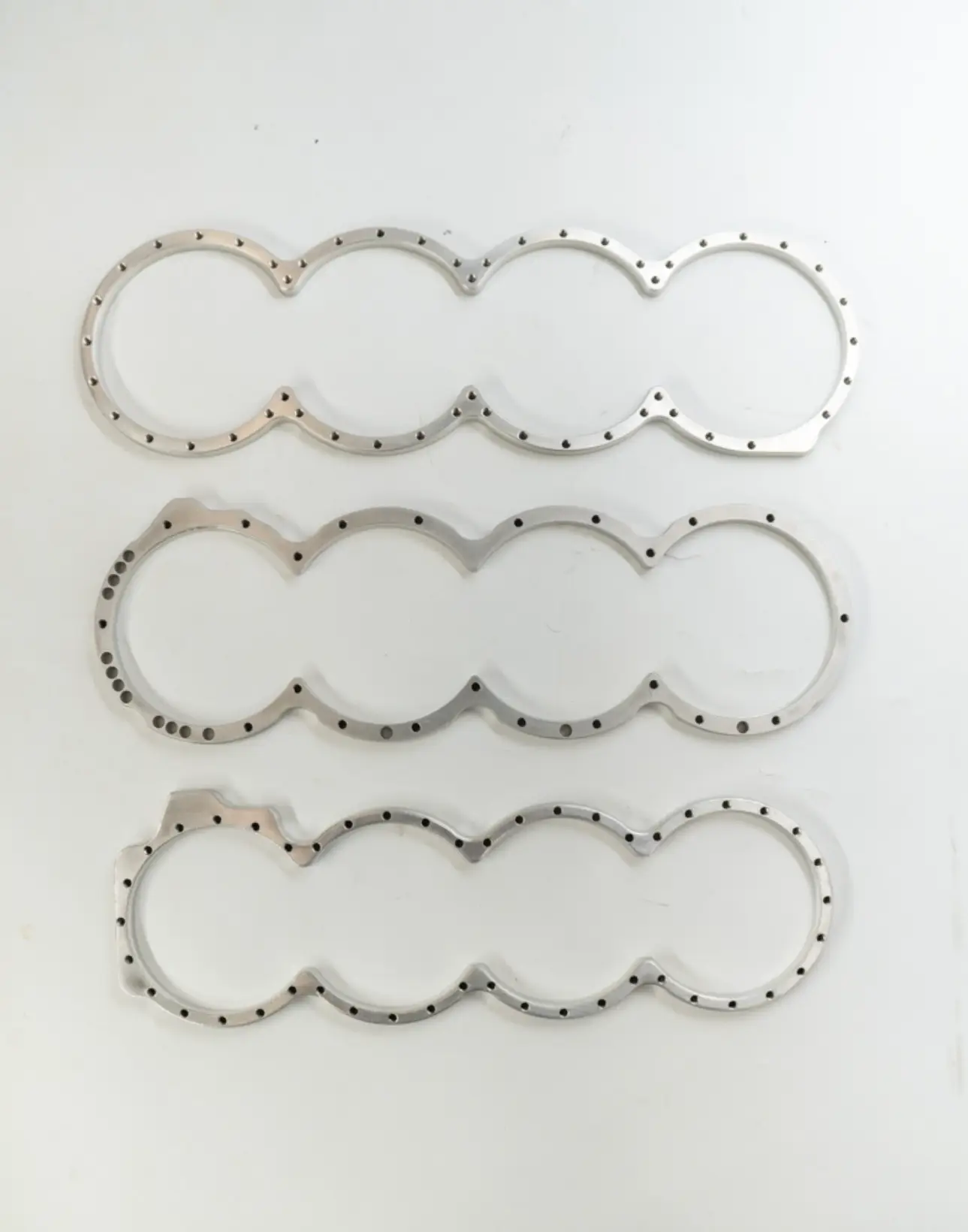
An Engine Block Guard is a reinforcement insert that fits into the open deck area surrounding the engine cylinders. Its primary purpose is to reduce cylinder wall movement by providing additional structural support, particularly in engines subjected to higher combustion pressures.
Many production engines use open-deck block designs that offer excellent cooling efficiency but provide less support around the upper cylinder walls. Under high boost or high horsepower conditions, these cylinder walls may experience increased stress. Engine Block Guards help reinforce this area, making them a common upgrade for performance engine builds.
When properly selected and professionally installed, an Engine Block Guard can contribute to improved engine durability while maintaining compatibility with the original engine block.
Why Engine Block Guards Matter
As engine output increases, cylinder pressure rises significantly. Turbochargers, superchargers, higher compression ratios, and aggressive engine tuning all place greater loads on the cylinder walls and surrounding block structure.
Engine Block Guards help reinforce the upper portion of the cylinder block, reducing cylinder wall flex and improving overall block stability. This additional support can be beneficial for enthusiasts building engines intended for higher boost levels, motorsport competition, or sustained high-performance operation.
Although an Engine Block Guard is only one part of a complete engine build, it is often considered an important upgrade for builders seeking improved engine strength and long-term reliability in demanding applications.
15 Essential Facts Every Builder Should Know About Engine Block Guards
1. Engine Block Guards Reinforce Open-Deck Engine Blocks
The primary purpose of Engine Block Guards is to strengthen open-deck engine blocks by providing additional support around the cylinder walls. This reinforcement helps minimise cylinder movement under high combustion pressures while improving overall block rigidity.
2. Popular for High-Boost Applications
Many enthusiasts install Engine Block Guards when building turbocharged engines because increased boost pressure places greater stress on the cylinder walls. Additional reinforcement helps prepare the engine for demanding operating conditions.
3. They Reduce Cylinder Wall Flex
During combustion, extremely high pressures act against the cylinder walls. Properly installed Engine Block Guards help reduce cylinder wall movement, contributing to improved structural stability under heavy engine loads.
4. Suitable for Naturally Aspirated Performance Builds
Although commonly associated with turbocharged engines, Engine Block Guards can also benefit naturally aspirated performance engines that regularly operate at high RPM or under sustained track conditions.
5. Strengthens the Existing Engine Block
Unlike a complete engine block replacement, Engine Block Guards reinforce the original cylinder block, allowing builders to increase structural support while retaining the factory casting.
6. Precision Fitment Is Essential
A quality Engine Block Guard must fit accurately within the engine block. Precision machining ensures consistent support around each cylinder while maintaining proper clearance for cooling passages.
7. Professional Installation Is Recommended
Installing Engine Block Guards requires careful preparation and machining knowledge. Correct installation helps ensure proper coolant flow, cylinder support, and long-term engine reliability.
8. Commonly Used During Engine Rebuilds
Many builders install Engine Block Guards while rebuilding an engine because the block is already disassembled, allowing easier installation before final machining and assembly.
9. Supports Future Performance Upgrades
Installing an Engine Block Guard during an engine build provides additional structural support for future upgrades such as larger turbochargers, increased boost pressure, forged internal components, and higher-performance ECU tuning.
10. Helps Improve Long-Term Engine Durability
While no component can eliminate every possible engine failure, properly installed Engine Block Guards help reinforce one of the most highly stressed areas of an open-deck engine.
11. Precision Manufacturing Improves Consistency
Premium Engine Block Guards are manufactured using precision machining to ensure accurate dimensions and consistent support across every cylinder.
12. Motorsport Proven Technology
Engine Block Guards have been used in drag racing, time attack, circuit racing, and other motorsport disciplines where engine reliability under high cylinder pressures is essential.
13. Designed to Work with Other Engine Upgrades
Many builders combine Engine Block Guards with forged pistons, forged connecting rods, upgraded head studs, performance head gaskets, and improved cooling systems to create a stronger overall engine package.
14. Material Quality Matters
Selecting a premium Engine Block Guard manufactured from high-quality materials helps ensure dependable structural support and long-term durability under demanding operating conditions.
15. An Investment in Engine Reliability
Whether building a high-performance street car or a dedicated race engine, Engine Block Guards provide valuable reinforcement that helps support long-term engine durability and confidence during demanding use.
Types of Engine Block Guards
Although all Engine Block Guards are designed to reinforce the cylinder block, different designs are available depending on engine architecture, cooling requirements, and intended performance goals.
Full Block Guards
Full Engine Block Guards provide continuous reinforcement around multiple cylinders, offering maximum structural support for high-performance engine builds while maintaining precise cylinder alignment.
Modular Block Guards
Modular Engine Block Guards consist of separate reinforcement sections designed to fit individual cylinder areas. This design allows controlled reinforcement while accommodating specific engine block configurations.
Custom Engine Block Guards
Custom Engine Block Guards are engineered for specialised engine platforms, custom engine builds, or motorsport applications where standard aftermarket components are not available.
Engine Block Guards vs Sleeved Engine Blocks
One of the most common questions enthusiasts ask is whether an Engine Block Guard is a better choice than installing aftermarket cylinder sleeves.
Engine Block Guards reinforce the existing open-deck block by supporting the cylinder walls while retaining the factory cylinder sleeves. This approach is often selected by enthusiasts seeking additional block strength without replacing the original cylinders.
Sleeved engine blocks, by comparison, involve machining the original block to install stronger aftermarket cylinder sleeves. Sleeve installation typically offers a higher level of reinforcement but requires significantly more machining, specialised equipment, and overall investment.
For many performance street cars and moderate-to-high horsepower builds, Engine Block Guards provide an effective balance between improved structural support, cost, and ease of integration. For extreme racing applications with very high cylinder pressures, professionally installed aftermarket sleeves may be considered as part of a complete engine build.
Materials Used in Engine Block Guards
The material used to manufacture an Engine Block Guard plays an important role in its strength, durability, thermal stability, and long-term performance. Since block guards operate inside the engine block under extreme combustion pressures and repeated heat cycles, premium materials and precision manufacturing are essential.
Billet Aluminium
Many premium Engine Block Guards are manufactured from high-grade billet aluminium because it offers an excellent balance of strength, lightweight construction, and precision machinability. CNC machining allows billet aluminium block guards to achieve accurate dimensions that provide consistent cylinder support while maintaining proper fitment inside the engine block.
Billet aluminium also offers excellent corrosion resistance and long-term durability, making it suitable for demanding street and motorsport applications.
Precision CNC Machining
Premium Engine Block Guards are manufactured using advanced CNC machining to ensure accurate cylinder spacing, coolant passage clearance, and precise overall fitment. Tight manufacturing tolerances help maximise cylinder support while reducing installation complications.
Accurate machining also contributes to consistent manufacturing quality across every engine application.
High-Quality Surface Finish
Quality Engine Block Guards feature smooth machined surfaces that simplify installation while helping achieve proper seating within the engine block. Precision finishing also improves dimensional consistency and overall product quality.
How to Choose the Right Engine Block Guard
Choosing the correct Engine Block Guard requires careful consideration of your engine platform, power goals, and intended vehicle use. Every engine block has unique cooling passages, cylinder spacing, and structural characteristics that influence block guard design.
Before selecting an Engine Block Guard, consider the following:
- Verify compatibility with your engine platform.
- Consider your target horsepower and boost level.
- Confirm compatibility with your engine rebuilding plans.
- Choose precision CNC-machined construction.
- Ensure the block guard is designed to maintain proper coolant flow.
- Select products from manufacturers with proven engineering experience.
- Work with an experienced engine builder for installation.
A properly selected Engine Block Guard provides reliable reinforcement while supporting future engine modifications and long-term durability.
At VR Motorsports, every Engine Block Guard is engineered for precise fitment, dependable structural support, and professional-quality performance.
Installing Engine Block Guards
Installing an Engine Block Guard is a specialised procedure that is normally performed during a complete engine rebuild. Because the component fits inside the engine block around the cylinder walls, correct installation is essential to achieve proper reinforcement while maintaining adequate coolant circulation.
Before installation, the engine block should be completely disassembled, cleaned, and inspected for wear or damage. The Engine Block Guard must be carefully positioned according to the manufacturer’s specifications, ensuring proper alignment around each cylinder without obstructing critical coolant passages.
Depending on the engine platform, additional machining or block preparation may be recommended before final assembly. After installation, many professional engine builders perform final machining operations such as cylinder boring and honing to ensure correct cylinder geometry.
Due to the precision required, installation of an Engine Block Guard is best carried out by an experienced engine machining specialist.
Maintaining Engine Block Guards
Once properly installed, Engine Block Guards require virtually no routine maintenance. However, maintaining the overall engine cooling system and lubrication system is essential to maximise the benefits of the reinforced engine block.
During regular servicing, monitor coolant condition, engine temperature, and lubrication quality to ensure the engine continues operating within its intended temperature range. Overheating can place unnecessary stress on both the engine block and internal components.
If the engine is disassembled for future maintenance or upgrades, inspect the Engine Block Guard for signs of movement, corrosion, or installation-related issues before reassembly.
Common Mistakes to Avoid
Installing an Engine Block Guard is an important engine modification, but several common mistakes can reduce its effectiveness if proper procedures are not followed.
Common mistakes include:
- Installing the wrong block guard for the engine.
- Failing to prepare the engine block correctly.
- Restricting coolant flow during installation.
- Skipping recommended machining after installation.
- Using damaged engine blocks as the foundation for a build.
- Attempting installation without professional machining experience.
- Ignoring the need for supporting engine upgrades on high-horsepower builds.
Avoiding these common issues helps maximise engine durability, cooling efficiency, and long-term reliability.
Frequently Asked Questions
What is an Engine Block Guard?
An Engine Block Guard is a reinforcement component installed inside an open-deck engine block to provide additional support around the cylinder walls, helping improve structural rigidity under high combustion pressures.
Do Engine Block Guards increase horsepower?
An Engine Block Guard does not directly increase horsepower. Its purpose is to strengthen the engine block so it can better support higher-performance engine combinations and increased cylinder pressure.
Are Engine Block Guards necessary for every engine build?
No. Engine Block Guards are generally recommended for performance builds where increased boost, higher compression, or motorsport use places additional stress on the engine block.
Are Engine Block Guards better than aftermarket sleeves?
The best solution depends on the engine build. Engine Block Guards reinforce the existing block and are suitable for many high-performance applications, while aftermarket sleeves provide additional reinforcement for more extreme engine builds that require extensive machining.
Why choose VR Motorsports Engine Block Guards?
VR Motorsports Engine Block Guards are precision engineered to provide accurate fitment, dependable cylinder support, premium manufacturing quality, and long-term reliability for demanding performance applications.
Why Choose VR Motorsports?
At VR Motorsports, we understand the importance of building engines that deliver both performance and reliability. Every Engine Block Guard is engineered using precision manufacturing techniques and premium materials to provide dependable cylinder support under demanding operating conditions.
Our products are trusted by performance enthusiasts, engine builders, and motorsport teams seeking reliable reinforcement for naturally aspirated and forced induction engines. Whether you’re preparing a street car for future upgrades or assembling a dedicated competition engine, VR Motorsports Engine Block Guards are designed to help strengthen your foundation for long-term performance.
Conclusion
An Engine Block Guard is a valuable upgrade for enthusiasts building high-performance engines that demand greater structural support and long-term reliability. By reinforcing the upper cylinder walls of an open-deck engine block, Engine Block Guards help reduce cylinder movement while supporting increased combustion pressures found in turbocharged, supercharged, and high-output naturally aspirated applications.
Whether you’re rebuilding an engine for spirited street driving or assembling a dedicated motorsport powerplant, investing in a precision-engineered Engine Block Guard provides additional confidence for future performance upgrades. With premium materials, accurate manufacturing, and proven engineering, VR Motorsports Engine Block Guards are designed to help enthusiasts build stronger, more reliable engines.
Internal Resource
Browse our complete Engine Block Guard collection:
https://vracemotorsports.com/product-category/engine-block-guards
External Resource
To learn more about engine block design, structural engineering, and automotive performance principles, visit the Society of Automotive Engineers (SAE):